Are Solar Panels Worth It? 5 Factors to Consider
February 4, 2021 If you’re a homeowner, you’ve probably had someone tell you, “solar panels will save you money because they’ll cut your electricity bill.” They will definitely cut your electricity bill, but keep in mind that solar panels require a pretty hefty investment up-front that may significantly affect how much you actually save.
With that in mind, are solar panels worth it?
This guide will cover five factors that can help you determine whether or not solar panels will be a worthwhile investment for you
How to Determine If Solar Panels Are Worth It
From an environmental perspective, solar panels are absolutely worth it. Solar energy is great for the environment and will play a key role in combating climate change and creating more sustainable cities.
Of course, if you’re asking yourself, “are solar panels worth it?” then you’re probably wondering about the numbers, not the green factor.
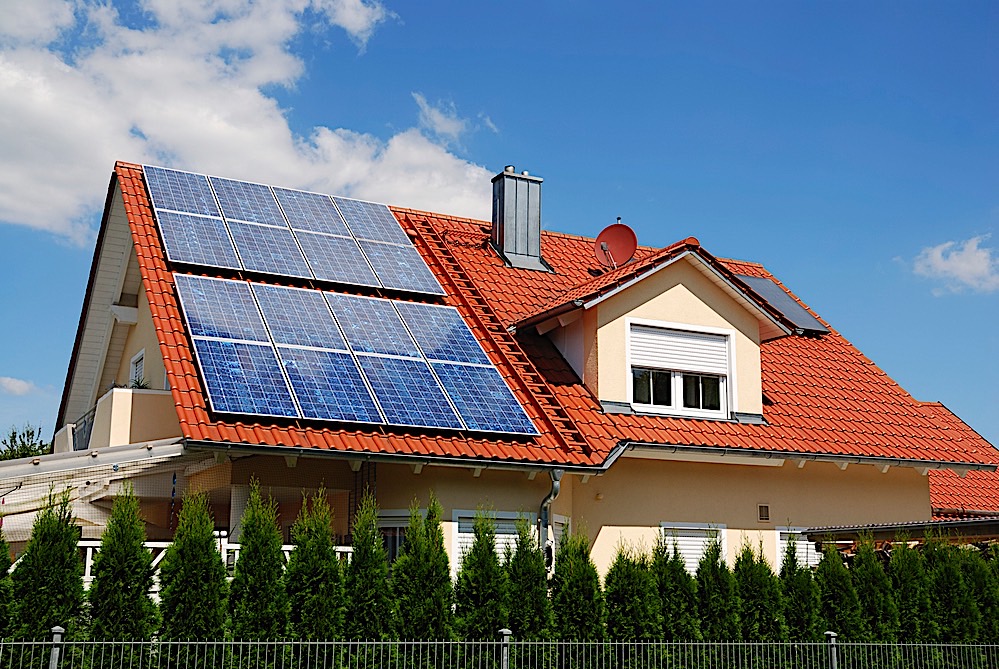
When you install solar panels on your rooftop, you’re basically putting a mini power plant on your home that generates electricity for you. Solar panels can significantly offset or eliminate your electricity bill, which can save you a ton of money over a long period of time.
But the equipment and installation are expensive, running anywhere from $10,000 to $25,000. Many homeowners are concerned that the upfront costs will negate any savings on electricity.
There are five steps you can take that will help you determine whether or not solar panels are right for you:
- Review Your Electric Bill
- Estimate Solar Panel Costs
- Determine Financing
- Evaluate Sunlight Exposure
- Review Incentives
[Pro Tip: If you’re thinking about getting solar panels, you must act quickly! Solar energy is getting cheaper every year, so many government tax incentives are being rolled back. We’ll discuss this later on.]
1. Review Your Electric Bill
Here’s a fundamental rule for solar panels: the higher your electricity bill, the more you’ll benefit from solar panels.
If your electric bill is very high, then you’re probably going to save more money with solar panels. If your electricity bill isn’t very high, then you’re less likely to save money.
Take a look at your electric bill, and try to determine how much money you spend on electricity in one year, five years, and ten years. That should give you a pretty good idea of how much you stand to save with solar panels.
Keep one thing in mind: electricity rates can fluctuate sharply. If there are national changes in energy consumption or electricity prices, then the amount of savings can change.
For example, assume that you’re paying 12 cents per kilowatt-hour for electricity. If electricity consumption in your area increases (if more people are using more electricity), then your bill may increase from 12 cents per kilowatt-hour to 20 cents. That would increase your electricity bill, and you may now find it more worthwhile to install solar panels.
The opposite is also true—if electricity prices dropped in your area, you might find solar panels less worthwhile.
Keep an eye on your local housing market and make an educated guess on what your area’s average electricity costs will be over the next several years.
2. Estimate Solar Panel Costs
A solar cost calculator can give you a rough estimate on how much it would cost to install solar panels on your home and how much you could save.
When using a calculator, you’ll have to know how much energy you consume on average. That information should be listed on your monthly utility bill. Your monthly average will determine what size solar system you need to cover your electricity needs.
Depending on the calculator you use, you may be able to factor in tax incentives to get a more accurate picture of your savings (we’ll cover tax incentives later on).
If you want to save the most money, be sure to get quotes from three or four contractors and check the customer reviews for any manufacturer or installation company before you buy. An online marketplace like EnergySage is helpful because it enables you to compare costs in your local area.
3. Determine Financing
You’ll save the most money by paying in cash, but that’s just not an option for everyone. Many homeowners seek financing to pay for their solar panels.
There are a few different types of financing methods for solar panels:
- Solar loan
- PACE financing
- Solar lease (power purchase agreement)
Solar Loans
A solar loan is similar to a home improvement loan. They’re offered by solar panel manufacturers, credit unions, banks, and even local utility companies.
Like any type of loan, solar loans may have different interest rates and terms. Review your finances and think hard about which loan term is best for your budget.
Some solar loans may enable you to repay the loan by selling the excess power that your panels generate—this often requires that you buy a more extensive solar system or live in an area where electricity costs are higher.
PACE Financing
Your local government may offer PACE financing for your solar panels. PACE (which stands for “property assessed clean energy”) financing will cover the upfront cost of your solar panels. You’ll repay the loan by paying an additional fee on your annual property tax.
PACE loans are repaid over a longer period, typically 10 to 20 years, so they’re easier on your budget than other types of financing. It’s also helpful that you only have to make a payment once per year. With good budgeting, you’ll be able to save for that payment throughout the year.
Not all local governments offer PACE financing, so do some research and see if it’s available in your area.
Solar Lease
Instead of buying solar panels, you could lease them. This is known as a “solar lease” or a “power purchase agreement.”
There are significant pros and cons to solar leases.
Pros:
- You can have solar panels installed at no cost
- When your lease expires, you can choose to purchase the panels outright, or you can renew the lease
- If you sell the property, the solar lease can be easily transferred to the next homeowner at no cost
Cons:
- The panels will only cover about 10 to 30 percent of your electricity bill (the leasing company sells the rest of it to make a profit)
- You won’t own the panels, so you can’t collect on any solar tax incentives
- A solar lease may be a good option for you if you want to reduce your electricity bill, but you don’t plan on owning a property for more than a few years.
4. Evaluate Sunlight Exposure
The more sunlight that your panels get, the more energy they can produce. And the more energy they can produce, the more money you can save.
Certain states, like California, Arizona, and Nevada, have more hours of sunlight on average, so your solar panel system might be more efficient in those kinds of areas.
But you don’t need to live in a sunny location for your solar panels to work or to reap considerable savings. New York, New Jersey, and Massachusetts have a higher number of solar panel installations despite those areas having more overcast weather. They get more installations because electricity costs are higher in those states.
You’ll also need to consider how your home is oriented toward the sun. If trees or taller buildings shade your rooftop, your solar panels might not be able to generate as much power.
5. Review Incentives
Federal and state governments offer extensive tax credits for installing solar panels. The most considerable incentive is a federal tax credit that allows you to claim 22% of the installation cost on your tax return. You won’t get any money added to your refund, but you reduce or eliminate the amount of taxes you owe. As of January 2021, this credit is set to expire at the end of the year.
Some state governments also provide incentives, like:
- Cash back
- Property tax exemption
- Waived fees
Additionally, some states may allow homeowners with excess power to sell it to their local utility company.
Check out this online database that lists solar incentives by state.
As mentioned earlier, you shouldn’t wait too long to invest in solar if you plan on doing so. Local governments may continue to phase out incentives after 2021, so buy your panels soon and maximize your savings.
Tips for Buying Solar Panels
Let’s go over a few extra tips for buying solar panels:
- Finding the Best Price: The larger, more established installation companies are usually more expensive. Smaller installation companies offer the best prices.
- Find a Middle Ground: The best equipment doesn’t always mean the best savings. Knowing your home’s energy requirements, try and find the right balance between equipment quality and savings.
- Consider Net Metering: Are you thinking about installing solar panels on a seasonal house? Remember that energy costs are typically lower during spring and fall and higher in summer and winter. Thus, solar panels may be most optimal for summer or winter homes. With a seasonal home, you should also make sure to get panels that enable you to store your excess energy on a grid or sell it to a local utility company (this incentive is called “net metering”).
- Don’t Be House Poor: If you just purchased a home, you might not have a lot of money leftover to buy solar panels. Don’t go house poor for the sake of solar energy. Consider getting a solar lease if you want to reduce your utility bill on your new home.
- Don’t Forget About the Rooftop: Solar panels require a roof that’s in good shape. You might want to delay getting solar panels if you need to do a rooftop renovation. You could also try and get a home improvement loan for both your rooftop and your solar panels—knocking out two birds with one stone!
Last but not least, consider how long you plan on keeping your home. Most households break even on solar panels after eight years. Do you plan on owning the home for that long?
- If you plan on selling the house before you break even, you might want to lease the panels or forgo installing panels altogether—however, solar panels also tend to increase property values, so they might be a good option for you if you want the property value to appreciate more quickly
- If you plan on owning the property for a longer period, or if it’s your primary residence, you’ll benefit most from buying solar panels
- If you’re an investor, you might think about installing solar panels so you can earn the federal tax incentive—very helpful if you’ve sold assets in 2021 and owe a significant amount of capital gains tax
Summary
Follow these five steps and you will be able to determine, are solar panels worth it for you? First, review your electric bill—the more electricity you use, the more money you’ll save. Second, use a solar cost calculator to estimate how much you’ll pay. Third, determine how you want to finance your solar panels if you can’t pay with cash. Fourth, consider how much energy your panels would be able to generate, given your home’s exposure to the sun. Fifth, see if you’re eligible for state or federal tax incentives. Don’t forget to take your overall investment strategy into account if you plan on selling the house in the future.
Read The Original Article:https://www.fortunebuilders.com/are-solar-panels-worth-it/